/ #1 in Honing Techniques

Honing

For perfect cylinders and internal surfaces. When cylindricity, roughness, and service life are crucial, honing is often the best solution.

BO-Solutions hones cylinders, hydraulic precision parts, and bearing bushings with an tolerances of to within 5 microns, resulting in a controlled surface that is ready for use.

/ Perfect fit, every time

What is honing, and when is this process the right choice?

Lapping of flat precision surfaces at BO-Solutions – high-precision finishing of metal components

Honing is a fine machining process for the inside of holes and cylinders. Material is removed in a very controlled manner using rotating, oscillating honing stones.

Unlike boring or reaming, honing not only corrects the dimensions, but also:

  • The cylindricity (roundness over the entire length)
  • The roughness of the surface (Ra value)
  • The wear pattern & cross-hatch pattern for optimal lubrication

The result:

Cylinders that are perfectly round and machined precisely to size and ideal for use, for example for seals, pistons, bearings, or hydraulic applications. 

Moreover, honing is often more cost-effective than internal grinding, while the quality is just as high or even better for many applications.

/ Everything about Honing

TECHNICAL CAPACITY OF OUR HONING MACHINE

We combine measurable precision with practical return.

Range & tolerances:

  • Hole diameter: 3 to 180 mm
  • Cylindricity: up to approx. ± 0.002 mm achievable
  • Surface roughness: Ra 0.1 – 0.8 μm
  • Tolerance class: IT6–IT7

This makes honing ideal for critical diameter fits where standard drilling or turning is insufficient.

Process characteristics:

  • Oscillating machining with grinding stones
  • Short setup time and fast processing
  • Characteristic cross-hatch pattern that improves lubrication
  • Corrects deviations in the shape and size of existing holes

In this way, cylinders acquire not only the correct size, but also the correct surface and load-bearing profile.

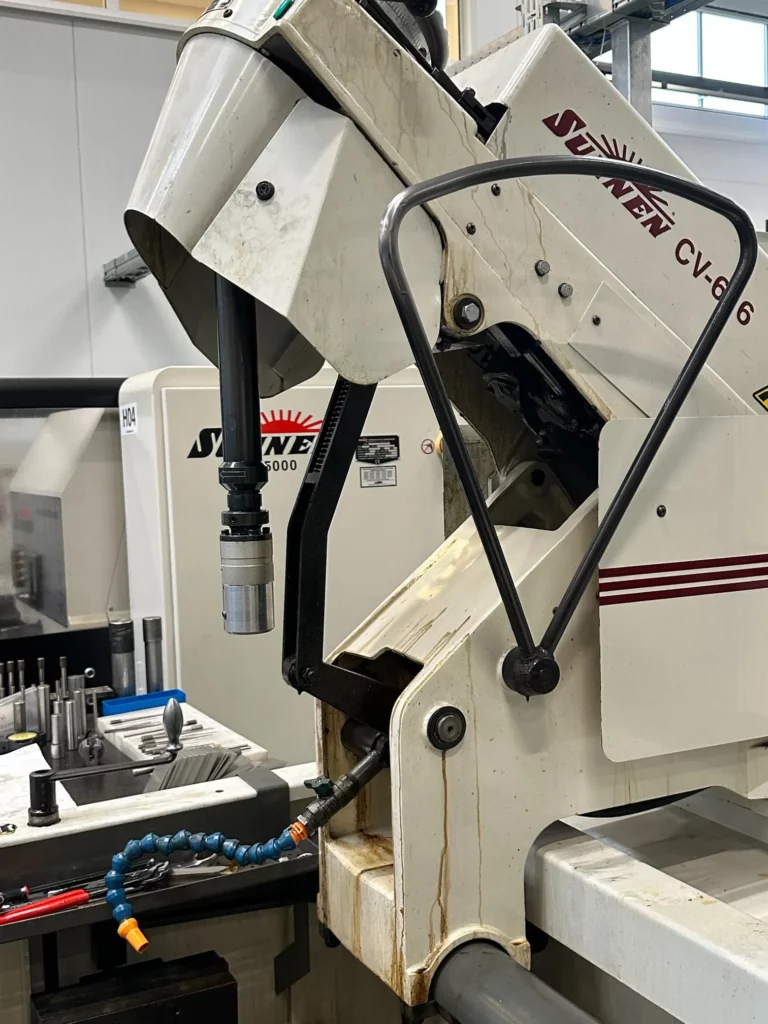
Honing machine in operation at BO-Solutions – precision finishing of bushings and cylindrical workpieces

WHEN DO YOU CHOOSE HONING?

Honing is indicated when:

  • You want to process economical series starting from a few pieces
  • Cylindricity and surface quality are a priority
  • You opt for a fast turnaround time 
  • You want to optimize costs compared to fine grinding

Applications:

  • Hydraulic and pneumatic cylinders
  • Bearing and guide bushings
  • Precisely fitted housings
  • Remanufacturing of existing cylinders that need to be custom-made again

Are you unsure whether to choose honing or internal cylindrical grinding? We think with you based on your application and provide honest, technical advice.

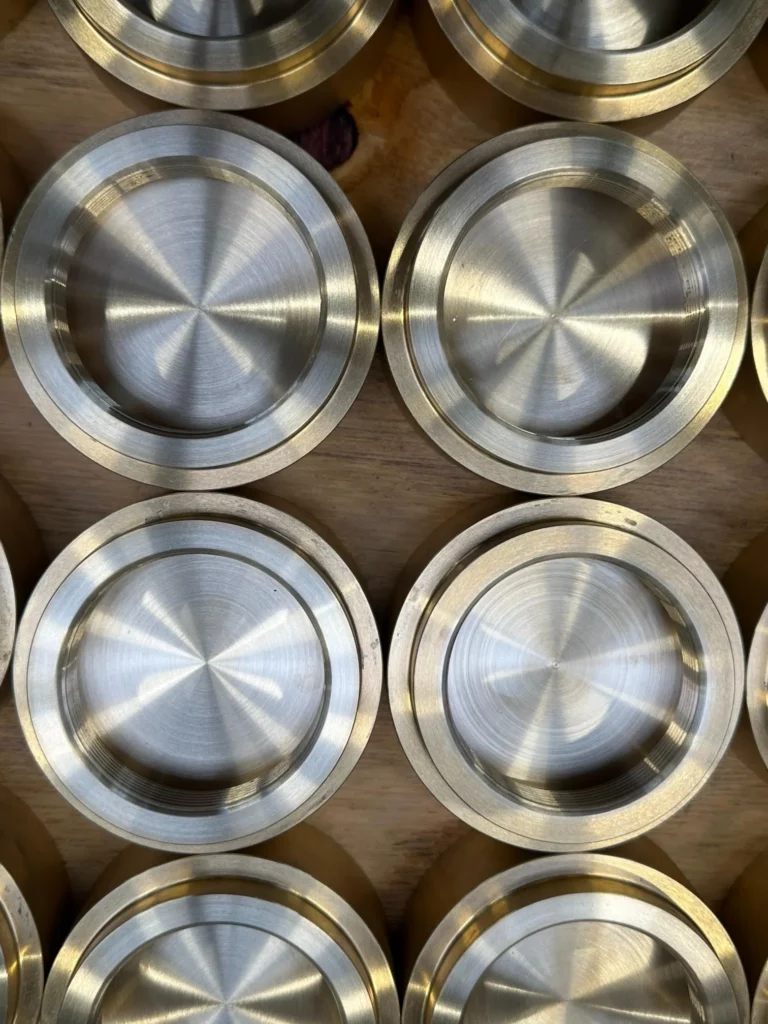
Honing of cylindrical surfaces at BO-Solutions – precise finishing to micrometer tolerances

/ Request a quote

COLLABORATE WITH BO-SOLUTIONS FOR THE BEST honing RESULT

Honing cylinders or finishing internal holes?

Do you have a part where the inside really needs to be right – in terms of both dimensions and surface finish? We will inspect your part and advise whether honing, cylindrical grinding, or a combination is the best approach.

You can come to us for:

  • Fully finished parts where the bore still needs to be honed
  • Pre-machined cylinders from in-house or external production
  • Existing components for overhaul or remanufacturing

Simply upload your drawing, photo, or 3D model via the contact form for a quick quote.

Technical questions? Contact us

/ FAQ

Frequently asked questions about honing

What is honing?

Honing is a fine machining process for the inside of holes and cylinders. Using rotating, oscillating honing stones, the surface is made smooth and precisely sized. The process improves roundness, cylindricity, and roughness, and creates a cross-hatch pattern that benefits lubrication.

In honing, a tool with grinding stones is inserted into the bore. While the tool rotates and moves up and down, small amounts of material are removed. The pressure, speed, and grit are adjusted to:

  • The requested size and tolerance
  • The desired Ra value
  • The type of material

This creates a very uniform surface that is perfectly suitable for seals, pistons, bearings, and guides.

You hone cylinders when:

  • The bore must be exactly round and straight over the entire length
  • The seal or fit is critical (e.g. piston packing, bearing fit)
  • You require a specific roughness level and wear pattern
  • You want to increase the lifespan of the part through better lubrication and less wear

In short: you hone cylinders when “approximately right” is not sufficient, and you want the certainty that the inside is measurably perfect.